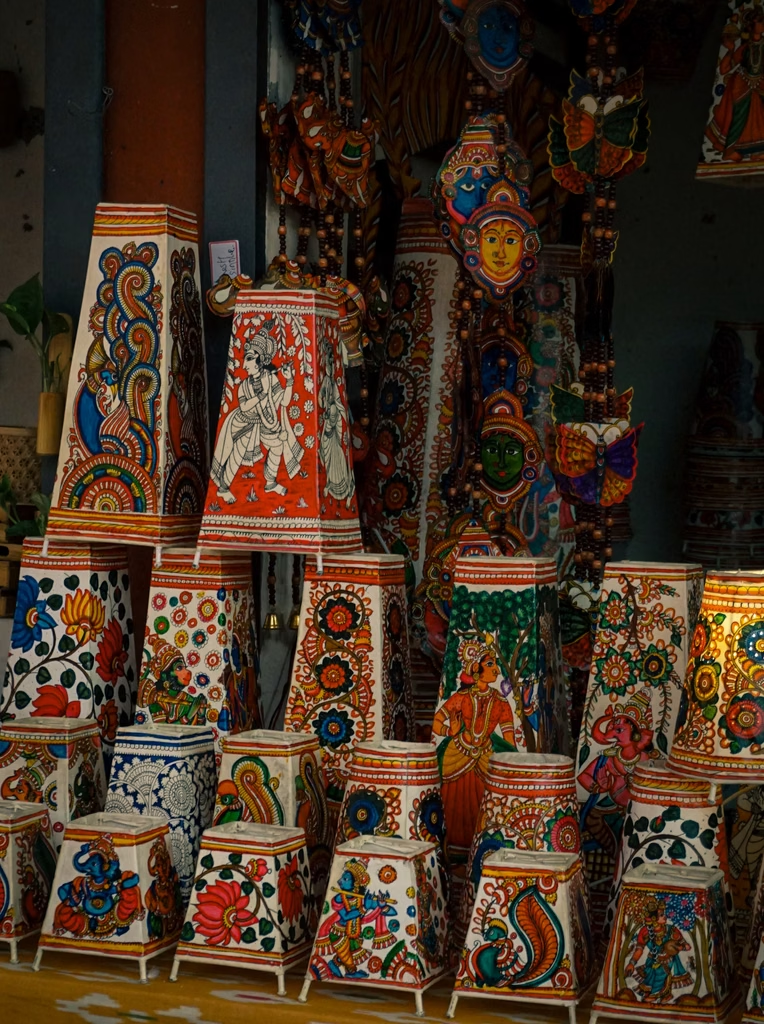
Finding the right gift for someone can be surprisingly difficult.
Flowers are beautiful but temporary. Clothes may not always match someone’s taste. Decorative items can feel too generic.
A painting, however, can be a thoughtful and lasting gift.
A carefully chosen painting can represent a memory, emotion, relationship, cultural tradition, or personal interest. It can become part of someone’s home and remind them of the person who gave it to them.
Whether you are looking for a birthday gift, wedding present, housewarming gift, anniversary present, or festive gift, artwork can be a meaningful choice.
But how do you choose the right painting?
Here are some simple tips.
1. Think About the Person
The first step is to think about the person receiving the gift.
What do they enjoy?
Do they love nature? Indian culture? Spirituality? Travel? Modern interiors? Traditional artwork?
Choosing a painting based on their interests shows that you put thought into the gift.
For example, a nature lover might appreciate a beautiful landscape painting.
Someone interested in Indian culture might enjoy traditional Indian artwork.
A person who prefers modern interiors may appreciate contemporary or abstract artwork.
2. Consider the Occasion
The occasion can help guide your choice.
Housewarming
For a housewarming gift, choose artwork that complements a home.
Landscapes, traditional paintings, floral artwork, spiritual artwork, and elegant decorative pieces can all be suitable.
Wedding
A wedding gift can have symbolic meaning.
You might choose artwork representing love, harmony, togetherness, nature, or a cultural tradition.
Anniversary
For an anniversary, consider artwork that represents memories or emotions shared by the couple.
A peaceful landscape or meaningful traditional artwork can become a lasting reminder of their relationship.
Birthday
For a birthday, choose something based on the recipient’s personality and interests.
A colorful painting can be a cheerful choice for someone who enjoys vibrant décor.
3. Choose the Right Subject
The subject of the painting matters.
If you know the recipient well, selecting a subject connected to their interests can make the gift much more personal.
For example:
Nature lover: landscapes, trees, flowers, birds, mountains
Spiritual person: religious or spiritual artwork
Culture enthusiast: traditional Indian paintings
Modern art lover: abstract or contemporary artwork
Traveler: cityscapes, landscapes, or paintings inspired by memorable destinations
The more closely the subject connects with the person, the more meaningful the gift can feel.
4. Consider Their Home Décor
If possible, think about the recipient’s home.
Do they have a modern interior or a traditional one?
Are their walls mostly neutral, colorful, minimalist, or heavily decorated?
A painting should ideally complement their existing space.
If you are unsure about their décor, a versatile artwork with balanced colors may be a safer choice.
You can also choose a medium-sized painting because it is generally easier to place than an extremely large artwork.
5. Handmade Paintings Make Personal Gifts
A handmade painting can add an additional layer of meaning.
Instead of giving a mass-produced decoration, you can give something created through an artist’s time and craftsmanship.
Small variations in handmade artwork can make the piece feel individual.
The recipient may appreciate knowing that an artist created the artwork by hand.
6. Think About Colors
Color is another important consideration.
If you know the recipient’s favorite color, you can use that as inspiration.
However, you do not necessarily need to choose a painting dominated by their favorite color.
Instead, look at the colors commonly used in their home.
For a neutral interior, a colorful painting can create a beautiful accent.
For a colorful room, a more balanced artwork may work better.
7. Think About Size
A gift painting should be practical.
If you know the approximate wall space available, you can select an appropriate size.
If you do not know the available space, avoid choosing an extremely large artwork.
A medium or smaller painting is often easier for the recipient to place.
Remember that the recipient should be able to enjoy the artwork without having to redesign an entire room around it.
8. Add a Personal Message
A short personal note can make an artwork gift even more meaningful.
You could explain why you selected the painting.
For example, you might mention that the artwork reminded you of the recipient, a shared memory, or a special occasion.
The painting becomes more than an object—the message gives it a story.
9. Consider Traditional Indian Art
Traditional Indian paintings can make particularly meaningful gifts when the recipient appreciates culture and heritage.
Different Indian art traditions have their own visual languages, subjects, and cultural histories.
A traditional painting can therefore serve both as home décor and as a connection to Indian heritage.
For festivals and culturally significant occasions, traditional artwork can be especially appropriate.
10. Choose Quality Over Size
When buying artwork as a gift, bigger does not always mean better.
A thoughtfully created smaller painting can be more meaningful than a large piece chosen simply because of its size.
Pay attention to the quality of the artwork, materials, craftsmanship, and presentation.
A well-made painting can remain part of someone’s home for many years.
11. Think About the Long-Term Value
A good gift should ideally remain meaningful after the occasion has passed.
Paintings have an advantage because they can become part of the recipient’s everyday environment.
Years later, the artwork may still be hanging on their wall and remind them of the person who gave it to them.
This makes artwork particularly suitable for milestone occasions.
12. Don’t Focus Only on Price
The value of a gift is not determined only by its price.
A less expensive painting that perfectly matches someone’s personality can be more meaningful than an expensive artwork chosen without thought.
The important factors are the thought behind the selection, the artwork’s quality, and its emotional connection to the recipient.
A Simple Checklist Before Buying
Before purchasing a painting as a gift, ask yourself:
- What does the recipient enjoy?
- What type of artwork do they like?
- What colors do they prefer?
- What style is their home?
- Where might they display it?
- What is the occasion?
- Does the artwork have a meaningful story?
- Is the size practical?
- Is the artwork well made?
- Can I add a personal message?
If you can answer these questions, you are much more likely to choose something they will genuinely appreciate.
Final Thoughts
A painting can be one of the most personal gifts you can give.
It can represent a relationship, celebrate an occasion, preserve a memory, or simply bring beauty into someone’s home.
The best painting gift is not necessarily the most expensive or the largest one. It is the one chosen with the recipient in mind.
Think about their personality, interests, home, and the occasion. Consider handmade artwork if you want something with a unique and personal character.
And whenever possible, include a small personal message explaining why you chose the painting.
Years from now, the recipient may not remember every gift they received—but a meaningful painting hanging on their wall can continue telling the story of the special moment when you gave it to them.